Too Cosy by Half: Why Heated Insoles and Fluffy Slippers Can Make Winter Foot Problems Worse
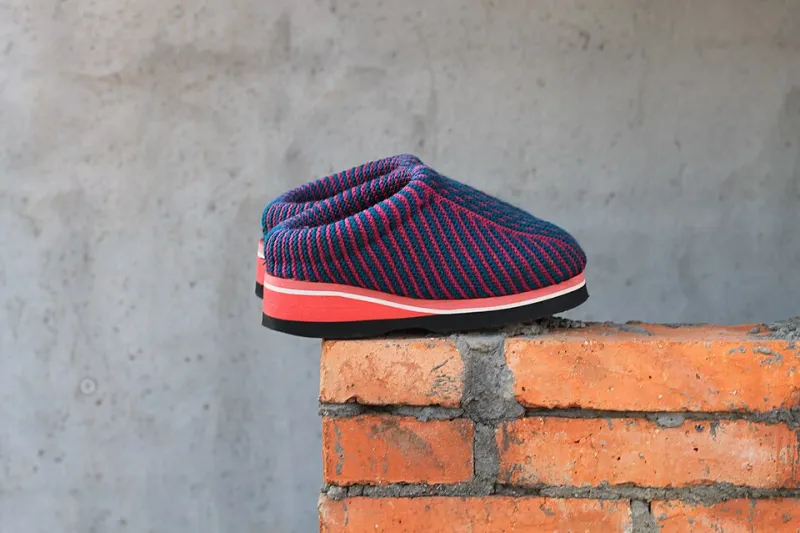
Photo: Lishuilynn, CC BY-SA 4.0, via Wikimedia Commons
There is a particular pleasure in sliding your feet into a pair of thick, fleece-lined slippers on a dark November morning. And there is a particular kind of marketing push, timed perfectly for the first cold snap, telling you that battery-powered heated insoles are the answer to cold feet. Both feel like self-care. Neither is automatically good for your feet.
We are not suggesting you go barefoot on cold tiles. What we are suggesting is that warmth, on its own, is not the goal. Dry, well-supported, appropriately warm feet are the goal, and some of the most popular winter products on the UK high street push hard against that.
The trouble with toastie feet
Feet are not designed to be permanently at sauna temperature. They sweat, on average, a surprisingly large amount over a day, and that moisture has to go somewhere. In a sealed, insulated, synthetic-lined slipper, it goes nowhere. The skin softens, the outer layer weakens, and you have created the exact conditions that athlete's foot and other fungal infections enjoy.
That is the first irony of the winter warmth trap: the very products sold to protect your feet from the cold can leave them damp, macerated and more vulnerable than they were in October.
Sweat is the quiet troublemaker
Damp skin between the toes is a classic setup for tinea pedis. It also softens the skin over pressure points, which makes blisters and fissures more likely, and cracked heels love nothing more than a warm, moist environment followed by a sudden dry, cold snap.
Older readers have an extra wrinkle here. As we age, the skin on the feet thins, oil glands slow down, and circulation often becomes less efficient. That combination means the skin is more fragile going into winter and less able to bounce back from a run of damp, overheated days.
Heated insoles: read the small print properly
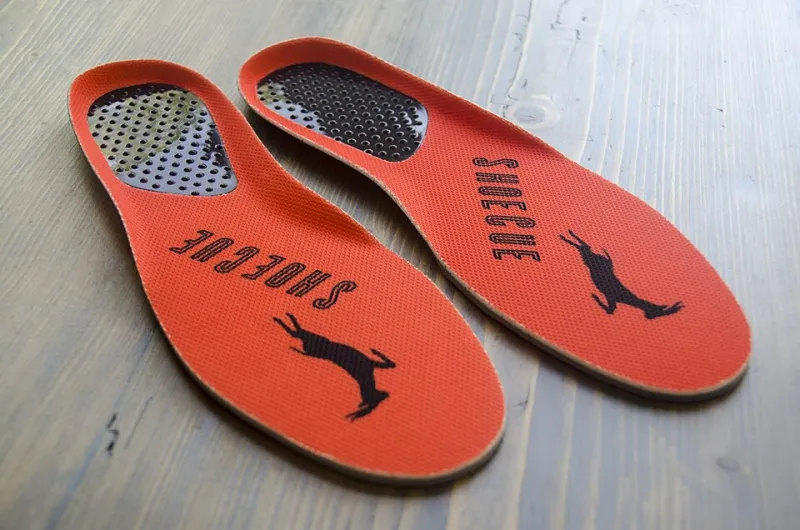
Battery-powered insoles have moved from novelty to mainstream, with several models now sold in UK outdoor shops and online. Used carefully, they can take the sting out of a long walk in a cold wind. Used carelessly, they are a burn waiting to happen.
Things worth checking before you buy:
- What is the maximum surface temperature, and does the device have a timer or automatic cut-off?
- Is the heat adjustable, or is it one fixed setting?
- Are they designed for walking, or only for standing still indoors?
- Does the manufacturer give any guidance for people with reduced sensation?
If you have diabetes, peripheral neuropathy, poor circulation or any condition that dulls feeling in your feet, talk to your podiatrist or GP before using heated insoles. The whole point of sensation is to tell you when something is too hot. Remove that warning system and you can do real damage without noticing. Never wear heated insoles overnight, and always check the skin of your feet afterwards for redness that does not fade within half an hour.
Slippers that fight your foot shape
Most slippers are designed for warmth first and feet second. Look at the common faults: a soft, unstructured sole that lets your arch collapse; a loose backless design that makes you grip with your toes to keep them on; a wide, boxy fit with no heel support; and a lining that flattens within a season and stops cushioning anything.
Backless mule slippers deserve a particular mention. They are comfortable for the two seconds it takes to walk from bedroom to bathroom, but they are also a genuine trip hazard on stairs, and they encourage a shuffling, clawing gait. For anyone with balance concerns, that matters.
A five-minute check before you buy
- Measure your feet, both of them, on a piece of paper against a wall. Feet change size over the years and most people are wearing something too narrow.
- Look for roughly a centimetre of space at the end of the longest toe.
- Check the sole bends where your foot bends, not in the middle of the arch.
- Make sure there is a firm counter at the heel so the slipper does not slide off.
- Look for breathable linings: wool, cotton, leather or a quality wool blend. Sheepskin is fine if it is genuine and the slipper is not sealed with a synthetic outer that traps everything in.
- Give the sole a bend and a twist. If it folds in half like a paperback, it will not support anything.
Rotate, dry, repeat
One pair worn every day from October to March will be damp, flattened and unwelcoming long before spring. Two pairs on rotation, aired out between wears, will last longer and keep your feet drier. Wash the linings when the manufacturer allows, and replace slippers once the inner sole has compressed into a hard, shiny patch, because that is where pressure points start.
Socks matter too. A thin cotton sock holds moisture against the skin. A wool or wool-blend sock moves it away. If your feet run hot indoors, it is fine to go without.
The daily foot check
Thirty seconds a night, ideally before bed. Look at the tops, the soles, and between every toe. Feel for hot spots, new hard skin, redness, swelling or any break in the skin. If you cannot see the soles of your feet comfortably, use a mirror on the floor or ask someone to help. Anyone with diabetes should be having an annual foot check through their GP practice, and should never self-treat a corn or callus with a blade or a medicated plaster from the chemist.
Getting the balance right
Warm feet are a reasonable ambition. Hot, sweaty, unsupported feet are not. Choose home footwear that fits properly and breathes, treat heat as a tool rather than a setting to leave on, and keep half an eye on the skin you cannot easily see. Your feet will thank you in March, when everyone else is wondering why their heels have split again.