The Insole Price Ladder: What UK Runners Actually Get for £50, £150 and £250
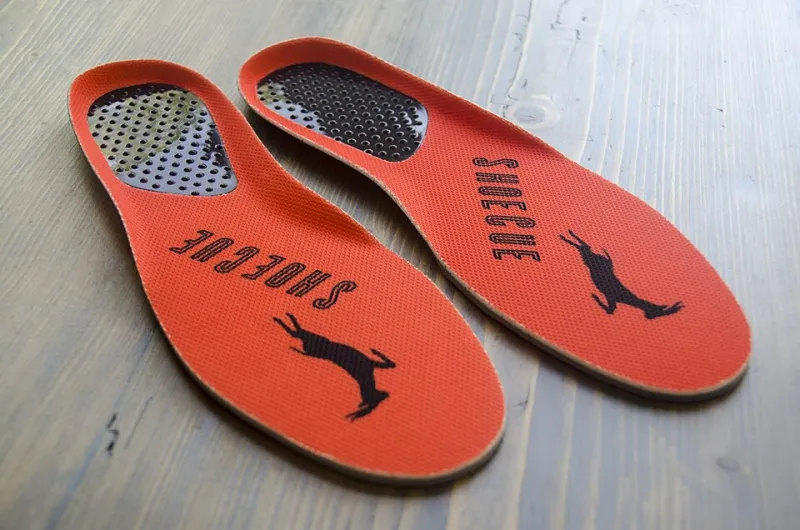
Photo: Ak12121234, CC BY-SA 4.0, via Wikimedia Commons
Runners in the UK are used to spending carefully on shoes. Insoles are a murkier purchase. A shop-bought pair might cost £50, a heat-mouldable semi-custom option around £150, and a podiatrist-made orthotic £250 or more. The price ladder looks simple, but the steps are not always obvious from the packaging.
This is not a case of expensive equals better. It is a guide to what each rung actually buys you in 2026, where the technology helps, and when a simpler insert is the smarter buy.
The three rungs of the insole market
At the lower end are off-the-shelf insoles: fixed shapes, trim-to-fit edges, and materials such as EVA, gel, polyurethane or TPU. In the middle are semi-custom options: heat-mouldable footbeds, modular wedges, deeper heel cups and sometimes a fitting session. At the top are podiatrist-made orthotics, prescribed after an assessment and made from materials such as EVA, polypropylene, carbon fibre or cork.
Prices overlap, and VAT, fitting and follow-up can change the picture. The useful question is not 'which is best?' but 'what problem is this solving?'
What £50 buys: the off-the-shelf workhorse
A £50 insole can be genuinely useful. It may offer arch support, a heel cup, metatarsal padding or a softer top cover. For a runner with mild arch fatigue, a shoe that feels too flat, or general comfort needs, it can be enough. It is also easy to move between shoes and easy to replace.
The limits are shape and diagnosis. One moulded shape cannot suit every foot, and a shop-bought insert will not correct a complex biomechanical issue. Pressure mapping is rare at this price. If pain is persistent, buying another pair of shop insoles is not a treatment plan.
What £150 buys: semi-custom and heat-mouldable
Around £150, you start to get more choice. Heat-mouldable insoles can adapt to the foot, and some systems add posting, wedges or a deeper heel cup. A trained fitter may watch you walk or run, and some clinics use pressure mapping to show hot spots.
This middle rung can suit runners who need more than a generic insert but do not need a full clinical prescription. The key is the fitting. A heat-mouldable insole that is moulded badly is still a badly fitted insole. Ask what assessment is included, whether the fitter is qualified to interpret it, and whether adjustments are part of the price.
What £250 buys: podiatrist-made orthotics
At £250 and above, you are usually paying for a podiatry assessment, a scan or cast, a prescription, manufacturing, fitting and follow-up. The podiatrist should consider your injury history, training load, footwear and foot mechanics. The device may be soft, semi-rigid or rigid, with specific additions such as a heel raise or metatarsal dome.
This is not automatically the best option for every runner. A custom orthotic is only as good as the diagnosis and the fit. If it is prescribed for the wrong problem, or it does not fit your running shoes, it becomes expensive clutter. Durability is often better than off-the-shelf foam, and some devices can be refurbished, but the top cover will still wear.
Pressure mapping: data, not magic
Pressure mapping can be a useful tool. It shows how load is distributed across the foot and can highlight hot spots or asymmetry. It can help a clinician decide where to add support or cushioning.
It is not a diagnosis on its own. A colourful screen does not tell you why a runner has shin pain. Ask who interprets the map, what changes it leads to, and whether it is included in the price or added as an extra.
Durability: the cost per mile
Off-the-shelf insoles often last six to twelve months, depending on mileage, sweat and the materials. Semi-custom and custom devices can last several years, but top covers compress and wear. Rotating shoes and insoles, drying them properly and checking the cover can extend life. A cheap insole replaced twice a year may still cost less than a custom device, but it may not solve the same problem.
Who genuinely benefits from custom?
Custom orthotics are worth discussing if you have recurrent running injuries, significant left-right asymmetry, diabetes, arthritis, a history of stress fractures, or orthotics that do not fit your running shoes. They can also help runners who have tried off-the-shelf options without success.
Many runners can stick with shop-bought inserts. If the goal is comfort, mild arch support or a better fit in a shoe, a £50 insole may do the job. If pain is affecting training, see a podiatrist rather than guessing at the price ladder.
Questions to ask a UK podiatrist in 2026
Is the podiatrist HCPC registered? What assessment is included? Will you scan or cast the foot? What materials are you recommending, and why? Can I run in the orthotic, and how long is the break-in period? What follow-up and adjustments are included? Will the device fit my race shoes and training shoes? What is the total cost, including any extras? If you are using the NHS or a private clinic, ask what is available and what the waiting times look like.
The verdict
Price does not equal outcome. A £50 insole can be a smart purchase for comfort or mild support. A £250 orthotic can be excellent value for a runner with a specific clinical need and a proper fitting process. The mistake is buying the wrong rung for the problem — or buying custom online without an assessment. Fit, diagnosis and shoe compatibility matter more than the receipt.