Thirty Minutes on Blades: A Foot-First Plan for UK Christmas Ice Rinks
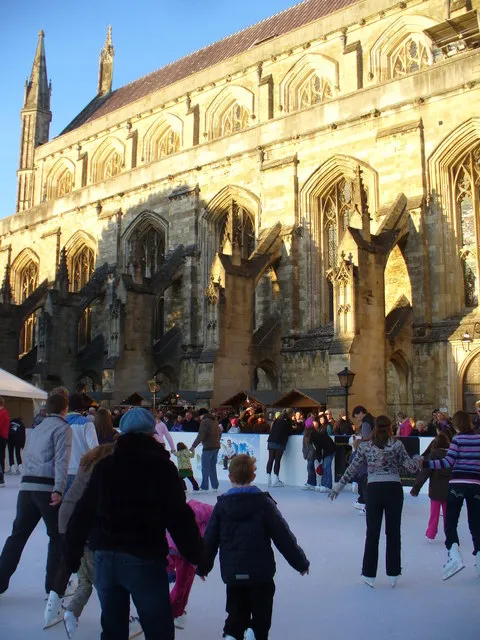
Photo: Colin Smith, CC BY-SA 2.0, via Wikimedia Commons
Pop-up ice rinks have a way of making a city feel like a Christmas card. The lights go up, the queue shuffles forward, and somewhere between the mulled cider and the group photo you strap on a pair of rental skates that have already been worn by half of the postcode. For occasional skaters, that is the moment to pay attention. A rink is not a shoe shop, and a rental boot is not a neutral everyday trainer. It is a stiff, shared shell that asks your ankles, arches and toes to work in unfamiliar ways.
As the 2026 rink season gets going across UK cities, treat the session as a short, manageable dose of unfamiliar loading rather than a test of endurance. Thirty minutes on blades, with a few breaks, is often plenty for a first outing. The aim is to finish with cold cheeks and warm toes, not a blister the size of a 50p piece.
Start with the boot, not the blade
Rental skates are built for turnover, not for your foot. They are usually hard-shell boots with a liner that has been packed down by previous skaters. That means the size on the back is only a starting point. Ask for a second pair if the first feels vague, and do not let a busy hatch rush you into a bad fit.
A useful pre-skate check takes about two minutes. Sit down, loosen the laces or buckles properly, and slide your foot in until your heel settles at the back. Stand up and press down through your foot. Your heel should stay put rather than lifting as you rise. Your toes should be able to wiggle without curling against the front, and the widest part of your foot should feel held rather than pinched. If you feel a hard pressure point straight away, it will not magically soften after ten minutes on the ice.
Buckles and laces need tension, not punishment. The lower foot should feel secure, while the top of the boot should allow you to bend your ankle a little. If the boot cuts into your shin or you cannot flex forward at all, loosen it off. Rental staff would rather see you comfortable than see you hobbling back to the counter.
The sock strategy that actually helps
This is where many festive skaters go wrong. The instinct is to wear the thickest socks in the drawer, often two pairs, because ice rinks are cold. But a bulky sock changes the fit of a rental boot and can reduce circulation by squeezing the foot. A thin wool or synthetic blend is usually a better choice than a thick cotton sock. Wool and technical fibres manage moisture and keep some warmth when damp, while cotton tends to hold sweat and go clammy.
Bring a spare pair of socks in your bag. If your feet get damp, change them after skating rather than sitting around in wet socks. Avoid tucking jeans or thick trousers into the boot in a way that bunches at the ankle. If you have diabetes, reduced sensation, poor circulation or a history of foot ulcers, a cold rink is not the place to experiment with tight rental boots. Have a chat with your podiatrist or GP before you skate, and keep the session short.
Skate in short blocks and listen to your feet
Cold toes are common at first, especially if you are standing still in a queue. Numbness that settles once you start moving is one thing. Numbness that deepens, or toes that turn white or blue, is a signal to get off the ice. Do not try to skate through it.
A simple pattern works well: skate for twenty to thirty minutes, then take a break. Sit down, undo the top of the boot, and let your feet relax. Check for hot spots, rubbing or a sudden ache along the arch. If you feel a blister starting, stop. A plaster from the rink first-aid point is better than a blister you will be nursing for a week.
After the blades come off
Post-skate care is not complicated, but it is easy to skip when you are heading for chips and a bus home. Take off the rental boots and socks, dry your feet properly, especially between the toes, and put on the dry socks you brought with you. Have a look at your toes, heels and the tops of your feet. Look for red patches, swelling, blisters or areas that feel numb.
Once you are home, wash and dry your feet, then spend a few minutes on gentle movement. Ankle circles, calf stretches and rolling your foot over a soft ball can help after a stiff session in a rigid boot. Warm your feet gradually with dry socks and a blanket rather than plunging numb toes into very hot water. If you have been on your feet all day at a Christmas market before skating, give your feet a proper rest afterwards.
When to see a podiatrist
Most rink-related foot niggles settle within a day or two. Seek professional advice if numbness or tingling persists, if a blister looks infected, if swelling does not go down, or if pain in your ankle, arch or toes keeps you limping. Anyone with diabetes or reduced feeling in the feet should be particularly cautious. A podiatrist can check footwear fit, skin integrity and circulation, and help you decide whether skating is sensible for your feet.
An ice rink is supposed to be a bit of festive nonsense, not a endurance event. Choose the boot that actually fits, keep the socks sensible, skate in short bursts and check your feet afterwards. Your toes will thank you when the Christmas lights are still up and you are back on solid, salted pavement.