The White Crust on Your Boots: A Weekly Road-Salt Routine for UK Feet
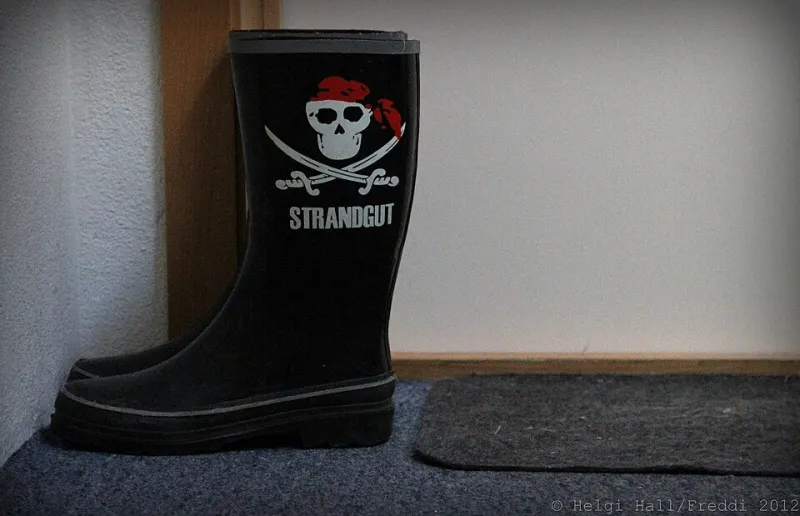
Photo: Helgi Halldórsson from Reykjavík, Iceland, CC BY-SA 2.0, via Wikimedia Commons
There is a particular kind of British winter morning where the pavements look like someone has dusted them with icing sugar and the bus stop smells faintly of wet dog. That white stuff is not harmless seasonal decoration. It is road salt, grit and whatever the council fleet has been spreading since the first frost warning, and it gets everywhere: into the stitching of your boots, the fibres of your socks and the cracks in your heels.
Most winter foot advice talks about cold and wet. Fair enough. But road salt deserves its own audit, because it does not just make your feet damp. It is chemically drying, physically abrasive once it crystallises in fabric, and quietly corrosive to the metal bits on your footwear. None of this is an emergency. It is a cumulative nuisance that turns a small heel crack into a stinging commute and a decent pair of leather boots into a salt-stained embarrassment.
Why road salt is a foot-health issue, not just a car issue
Rock salt lowers the freezing point of water and grit adds traction. Useful for roads. Less useful for skin. Salt is hygroscopic, which is a fancy way of saying it pulls moisture towards itself. Leave it on your skin and it can draw water out of the outer layers, leaving heels rough, forefeet tight and any minor cut feeling like it has been introduced to lemon juice.
Then there is the sock problem. Salt residue dries in fabric and forms tiny crystals. Walk another few thousand steps and those crystals act like fine sandpaper against the skin. Add dampness from slush and you have a recipe for rubbing, especially around the heel and the little toe.
And your shoes? Leather can develop pale tide marks. Stitching can stiffen. Metal eyelets and lace hooks can start to spot and corrode, particularly on cheaper boots where the hardware is not exactly marine-grade. Even synthetic trainers are not immune: salt clogs mesh, stiffens laces and leaves a grey bloom on dark uppers.
The five-minute doorstep reset
The most useful habit is also the least glamorous. Before you walk slush through the hall, knock the worst of it off your shoes outside. Do not wipe them on the doormat and call it done. A soft brush or a cloth with cool water is better than a hot rinse, which can damage leather and warp some synthetic uppers.
For your feet, a lukewarm wash with a mild soap is enough. Dry properly between the toes, not just around them. Then moisturise. A urea-based cream is a sensible choice for rough heels, but any unperfumed foot cream is better than nothing. If you have cracks that are deep, bleeding or painful, stopDIY-ing it and see a podiatrist.
Rinse, dry, condition, rotate
Think of this as a weekly ritual rather than a daily performance. Once a week, do a slightly deeper audit.
Rinse. Cool water on the outside of the shoes, a damp cloth around the eyelets and a quick wipe of the sole edges. For feet, a short soak is fine if your skin is intact, but do not sit in hot water for ages. It feels lovely and dries you out further.
Dry. Stuff shoes with newspaper or kitchen roll and leave them in a well-ventilated spot. Not on a radiator. Not in front of a log burner. Radiator drying can crack leather and shrink synthetic linings. Socks should go in the wash inside out, and definitely not on the radiator either.
Condition. Leather boots and shoes benefit from a wax or conditioner once they are properly dry. This is the step most of us skip. A thin layer helps repel slush and reduces salt staining. Synthetic uppers generally just need cleaning, not conditioning. Suede is a different conversation: keep it away from gritted pavements if you can.
Rotate. Two pairs of winter shoes, worn on alternate days, will last longer than one pair worn hard and dried overnight. The same goes for socks. A spare pair in your bag or desk drawer is not overkill in a British winter; it is basic foot hygiene.
Materials that cope better with slush
Full-grain leather with a waxed finish is the classic answer for commuters and school-run footwear. It wipes clean, takes conditioner well and ages rather than dissolves. Look for sealed seams, a decent rubber sole and hardware that does not look like it came from a Christmas cracker. Brass or plastic eyelets tend to fare better than cheap coated metal.
Waterproof membranes are useful, but they need cleaning. Salt and mud can clog the outer fabric and reduce breathability. Rinse them, air-dry them and avoid fabric softener on the socks you wear with them.
For socks, merino wool and synthetic blends are the practical choices. Cotton is comfortable for about ten minutes and then holds moisture against the skin. If your commute involves waiting on a cold platform or doing the school run through slush, a wool-rich sock with a synthetic blend in the heel and toe is a reasonable compromise.
The school-run and commuter details
Children are brilliant at finding every puddle on the way to school. Their shoes often get wet through, then sit in a warm cloakroom until home time. Teach them to knock their shoes together outside and, if possible, keep a spare pair of socks in their bag. At home, stuff the shoes with newspaper and check the heels for rubbing.
For adults, the desk sock swap is quietly transformative. If your feet feel damp after the walk to the station, change your socks when you arrive. It takes thirty seconds and stops the salt-and-moisture mix from sitting against your skin all day.
When the white crust wins
If your heels are splitting despite moisturising, if a corn or callus is getting painful, or if you have diabetes or reduced circulation, get professional advice rather than attacking the problem with a pumice stone. Salt season lasts for months in the UK, and small foot problems have a habit of becoming annoying ones by February.
The routine is simple: rinse, dry, condition, rotate. Your boots will look better, your socks will last longer and your heels will complain less. That is a decent return for five minutes a week.