Cobbles, Christmas Markets and 20,000 Steps: A Foot Recovery Kit That Earns Its Space
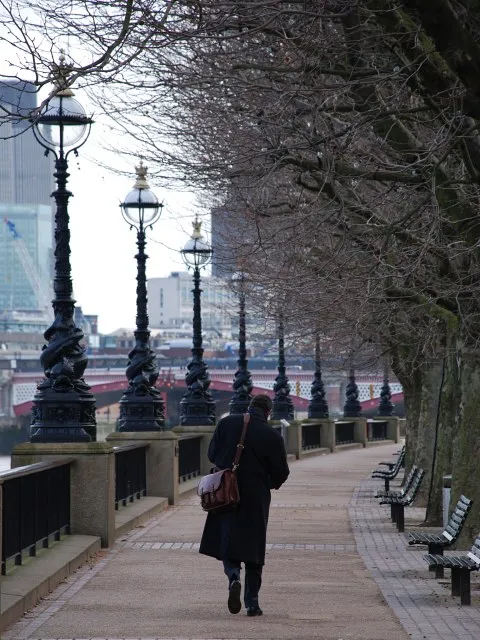
Photo: Jeff Gogarty , CC BY-SA 2.0, via Wikimedia Commons
City breaks rarely feel like endurance events when you book them. Then Saturday arrives: a brisk walk to the station, a platform dash with a wheelie bag, three hours in a museum, a Christmas market that seemed smaller on the map, and one last loop around the hotel because someone wants to find a decent bakery for breakfast. By Sunday evening, your feet have done a lot of quiet overtime.
The usual packing list tells you to bring comfortable shoes and plasters. Helpful, but a bit like telling someone to pack “a positive attitude.” What follows is a more practical weekend rhythm for UK city breaks in 2026, plus a small recovery kit that can slip into a backpack without turning you into a travelling physio clinic.
Friday: The Journey Is Part of the Step Count
Train stations are underrated foot traps. Smooth concourses give way to escalators, uneven taxi ranks, puddle-strewn pavements and the kind of last-minute platform change that turns a gentle stroll into a loaded carry. Wear the shoes you trust, not the pair you bought last week because they looked excellent in the sale.
If you are travelling with a second pair, keep it genuinely different in shape rather than just colour. A slightly roomier trainer for the journey and a supportive walking shoe for the next day gives your feet a change of pressure points. Rotating shoes is not a magic trick, but it does stop the same seam rubbing the same spot for three days straight.
Pack two pairs of socks per day if space allows. Changing socks at lunchtime is one of the least glamorous, most useful foot habits going. Damp socks soften skin and make friction more likely, and UK autumn weather has a talent for finding the gap between shoe and trouser leg.
Saturday: Museum Floors, Market Cobbles and the Midday Sock Swap
Museums are deceptively hard on feet. Polished floors, long standing stretches and the tendency to walk slowly while looking slightly upwards can leave your calves and arches feeling more tired than a brisk walk. Christmas markets add cobbles, kerbs, crowded lanes and the stop-start shuffle that never quite lets your feet settle into a rhythm.
A realistic plan is to treat Saturday as two foot sessions. Morning: the longer walk, when your feet are fresh and your socks are dry. Afternoon: a shorter loop with a sit-down break that actually involves sitting down, not perching on a high stool while balancing a mulled drink.
Midday is a good moment for a sock change if you have been walking since breakfast. It also gives you a chance to check for hot spots before they become blisters. A hot spot is your foot’s early warning system: a small area of warmth, redness or rubbing that feels slightly too noticeable. Cover it with a low-friction plaster or a piece of blister tape before it has a chance to bubble.
The Packable Kit: Small, Boring and Genuinely Useful
You do not need a pharmacy aisle in your bag. A sensible city-break foot kit fits into a small pouch and covers the usual weekend problems:
- Two or three low-profile blister plasters or hydrocolloid dressings.
- A small roll of zinc oxide tape or blister tape for hot spots.
- One pair of spare socks, ideally a thin synthetic or wool blend rather than heavy cotton.
- A foldable massage ball or a small spiky ball, if you will actually use it.
- A tiny tube of barrier cream or foot balm for dry patches, not for open skin.
- A few silicone toe caps if you already know a particular toe likes to complain.
- A small nail file or clippers for a snagged nail, because a torn nail on day one can ruin day two.
What you can leave at home: complicated gadgets, oversized insoles you have not tested, and any product that promises to “detox” your feet. Feet do not need detoxing. They need dry socks, sensible shoes and a bit of attention.
Hotel-Room Recovery: Ten Minutes, Not a Spa Weekend
After a long day, the temptation is to collapse. Give your feet ten minutes first. Wash and dry them properly, especially between the toes. Elevate them on a pillow while you scroll through photos. Do a few gentle ankle circles and calf raises if nothing is sore. Roll the arch lightly over a massage ball if it feels good, not if it feels sharp or painful.
If your feet are hot and puffy, a cool rinse can feel lovely, but dry thoroughly afterwards. Avoid very hot foot baths if you have reduced sensation, diabetes or circulation problems. And if a blister has torn, keep it clean and covered rather than picking at the roof.
Blister Triage Without the Drama
A small blister is annoying; a treated small blister is usually manageable. If the blister is intact and not causing much trouble, leave it alone and cover it with a dressing. If it is intact but painful because of pressure, a hydrocolloid plaster can help reduce friction. If it has torn, clean gently with water, pat dry, apply a sterile dressing and avoid bursting or peeling the remaining skin.
Do not pop a blister just because it is there. If a blister is very large, extremely painful, shows signs of infection such as spreading redness, heat or pus, or you have diabetes or poor circulation, get advice from a pharmacist, podiatrist or NHS service rather than DIY surgery in a hotel bathroom.
Sunday: The Last Walk Home
Sunday is where many city-break feet quietly revolt. You have checked out, the bag is heavier than it was on Friday, and the station seems further away than it did on arrival. Wear your most reliable shoes for the journey home. If you have a long train ride, loosen laces slightly once seated and wiggle your toes. Compression socks are worth considering for longer journeys if you already use them and tolerate them, but they are not a substitute for moving around when you can.
Before you leave the hotel, do a quick foot check: any new redness, rubbing, swelling or strange numbness? A two-minute look can save you from discovering a problem halfway home.
When a Sore Foot Deserves More Than a Plaster
Most city-break foot complaints settle with rest, dry socks and a change of shoes. But some signs deserve a podiatry appointment rather than another layer of tape. Book advice if pain persists for more than a few days after you are back, if swelling or redness is spreading, if you have a wound that is not healing, or if you have diabetes and notice any new foot problem. Sudden sharp pain, numbness, or pain that wakes you at night is also a reason to get checked.
A good city break should leave you with photos, sore calves and perhaps one unnecessary Christmas decoration. It should not leave you limping into Monday. Pack light, rotate your shoes, change your socks and treat hot spots early. Your feet are doing the 20,000 steps; the least you can do is give them a decent support crew.