Kerbs, Cobbles and Commuter Carriages: Eight Minimalist Shoes Meet a British Winter
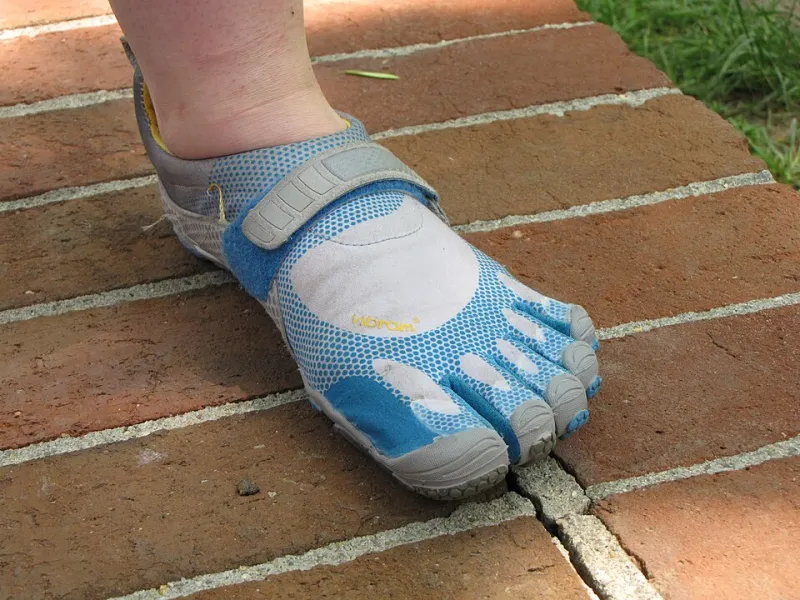
Photo: Ben Schumin, CC BY-SA 3.0, via Wikimedia Commons
Taking minimalist shoes into a British winter is a slightly cruel experiment. The whole philosophy is thin soles and maximum ground feel; the British high street in January is wet, greasy, uneven and frequently paved with the smoothest stone known to humanity. Still, plenty of people commute and run in them, so it seems worth finding out which ones cope and which ones leave you on your backside outside a Greggs.
How we tested
Each pair was worn over several weeks in cold, damp conditions: wet tarmac, painted crossing stripes, smooth stone setts around a Victorian market, granite kerbs, a station concourse, a train carriage floor, and one regrettable detour across a frosty playing field. We scored grip, toe-box room, water resistance, all-day comfort and — undeniably — how daft you feel walking into a coffee shop.
A note before the list: minimalist means different things to different brands. We classed anything with minimal cushioning, no heel-to-toe drop and a flexible sole as in-scope, but we've flagged the ones that blur the line.
The eight, in no particular order
Vivobarefoot Primus Lite IV
The most versatile of the group and probably the safest starting point. The tread grips damp tarmac and dry stone reasonably well, the toe box is genuinely roomy, and the shoe dries quickly. What it does not do is keep water out — a shallow puddle will find your socks within seconds. Excellent for a dry cold snap, less so for a wet Monday. Roughly £130.
Freet Howgill
A Yorkshire-based brand, which feels apt for the conditions. These had the deepest, most aggressive lugs of anything we tested and were comfortably the best on wet grass, mud and sloped paving. The ride is firmer than the Vivos and the uppers are more water-resistant than most. Slightly heavier, but a strong winter pick.
Xero Shoes Prio
Great value and a properly wide toe box. The problem is the outsole compound, which felt hard and slippery on wet stone setts and painted lines. Fine for the gym and dry pavements; genuinely nervy on a damp cobbled street after rain.
Merrell Vapor Glove 6
The thinnest and most honest of the lot — superb proprioception, close to feeling barefoot. It is also almost entirely mesh, which means your socks are damp by mid-afternoon. A lovely summer shoe, a poor winter one.
Vibram FiveFingers V-Run
Say what you like about the toe pockets, the rubber is outstanding. This pair had the best wet-weather traction in the entire test, full stop. The toes take acclimatising and the social cost is real, but if grip is your priority on slick paving, nothing here came close.
Wildling Tanuki
Soft, sock-like and beautifully made, with a sole so thin that a sharp kerb edge is a genuine ouch. Lovely for dry cold days and short walks; thoroughly defeated by rain and by anything sharper than gravel.
Be Lenka Icon
A leather upper makes this the most water-resistant and the most office-appropriate of the eight. It's heavier and stiffer underfoot than a purist would like, but for all-day wear on hard floors it was the most comfortable by a distance.
Altra Escalante Racer
Zero drop and a wide toe box, but with real cushioning — so not strictly minimalist. That's precisely why it's here: it's the obvious bridge shoe for anyone nervous about going straight to a 3mm sole.
The British winter problem
Grip is the headline issue, and it's structural. Minimalist shoes save weight by using less rubber, and less rubber means less tread to push through a film of water. Add in smooth stone setts, wet leaves on a cycle path, metal drainage covers and the polished floor of a train carriage, and you have a set of surfaces that punish hard, thin outsoles.
The second issue is water. Very few genuinely minimal shoes are waterproof, because waterproofing adds bulk and stiffness. For most of the year, a decent merino sock and a bit of acceptance is the realistic answer.
Who benefits — and who should give it a wide berth
Minimalist footwear suits people with healthy, sensate feet who want better proprioception, more toe splay and stronger intrinsic muscles. It can be a sensible choice for an experienced runner looking to vary their training, and for anyone whose conventional shoes have been quietly squeezing their toes for a decade.
It is a much worse idea for others. If you have diabetes with reduced sensation, a thin sole removes the protective layer between your foot and the world — you may not feel a stone bruise, a cut or a hot spot until it's a problem. The same caution applies to anyone with a plantar heel pain flare, thinning heel pads, a recent stress fracture, or a very flexible flat foot that relies on support to stay comfortable. If any of that sounds familiar, talk to a podiatrist before experimenting.
Transitioning without wrecking your Achilles
If you do go minimal, do it slowly. Your calf and Achilles are being asked to do considerably more work per step, and they will complain. Start with short walks, alternate with your usual shoes, and give it eight to twelve weeks rather than a fortnight. Daily calf raises help. Don't enter a spring marathon in a pair you bought in January.
The verdict
Best all-rounder for a British winter: the Vivobarefoot Primus Lite IV, provided you accept wet feet. Best for grip on genuinely grim days: the Freet. Best for looking like a grown-up at work: the Be Lenka. And the unsung hero of the whole exercise? A decent pair of waterproof socks.