Party Shoe Rehearsals: A Seven-Day Plan That Doesn’t Wreck Your Commute
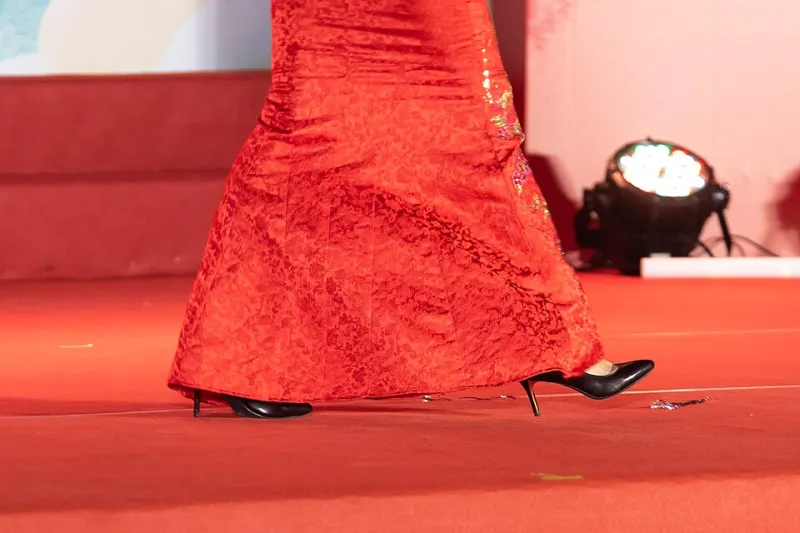
Photo: N509FZ, CC BY-SA 4.0, via Wikimedia Commons
There is a particular kind of optimism that comes with buying party shoes in November. They look excellent under shop lighting. They match the outfit. They seem, briefly, like a good idea. Then you wear them for the office Christmas do, spend forty minutes on a bus, stand around on a hard floor for three hours, and discover exactly where every seam, strap and heel counter has been quietly planning its revenge.
The fix is not to toughen up your feet or pack a handbag full of plasters. It is to rehearse. Treat new party shoes like a pair of running shoes: introduce them gradually, check the fit properly, and make your mistakes in short, low-stakes bursts rather than on the one night you actually want to enjoy. Here is a realistic seven-day plan for 2026, built around UK commutes, festive office events and the fact that most of us do not have a spare afternoon to devote to footwear science.
Start with the shoe you actually own
Before you build a plan, be honest about what is on your feet. A sky-high stiletto with a pointed toe and no platform is a different project from a block-heeled court shoe or a dressy flat. The break-in plan can only do so much. If a shoe pinches across the toes when you are sitting down, no amount of gel padding will turn it into a comfortable choice for a long evening.
Check the basics first. Stand up and see whether your toes have room to wiggle. Press the front of the shoe to feel where your longest toe sits. Run a finger around the heel counter and along the seams. Look at the heel height and ask whether you can walk naturally, not just pose. If the shoe has a very narrow toe box, a steep pitch or a strap that cuts across a bony part of your foot, it may be a photograph shoe rather than a party shoe.
The two-minute hallway fit test
You do not need an app or a scanner for this. Clear a bit of hallway or kitchen floor and do the following:
- Wear the tights, socks or hosiery you plan to wear on the night. This changes fit more than people expect.
- Put both shoes on and stand square. Check that your heel sits firmly in the heel cup without sliding up and down.
- Walk ten paces on a hard floor. Listen for flapping and feel for pressure points.
- Go up and down a step or two. If the shoe wants to slide off on the stairs, it is too loose or too shallow.
- Stand still for a minute. Notice any hot spots around the toes, the top of the foot or the back of the heel.
- Try a gentle squat or a short calf stretch. The shoe should bend where your foot bends, not in the middle of the arch.
If something is already rubbing in the hallway, it will be worse by 9pm in a crowded venue.
Map your blister hotspots before they map you
Most festive-shoe blisters appear in predictable places: the back of the heel, the little toe, the top of the toes where a strap sits, and the ball of the foot. Before the week begins, spend two minutes checking your feet for existing redness, corns, calluses or broken skin. Do not start a break-in plan on top of a sore spot.
For new shoes, keep the first sessions short. Ten to fifteen minutes is plenty. Wear them around the house while you make tea, sort laundry or answer emails. The aim is not to "wear them in" through sheer endurance; it is to find the pressure points while you can still take the shoes off.
The seven-day party shoe plan
Day 1: The indoor audition
Wear the shoes indoors for 15 minutes with your intended hosiery. Walk on carpet and hard flooring. Make a note of any rubbing. If a strap digs in immediately, try repositioning it or consider a different shoe.
Day 2: The short commute test
Wear them for a short, familiar journey: to the local shop, the school gate or a brief bus ride. Take a foldable pair of flats in your bag if you need them. The point is to test the shoe in real life without committing to a whole day.
Day 3: The desk rehearsal
If your workplace allows it, wear the party shoes for an hour at your desk, then swap back. This is especially useful for heel height. Sitting in a heel tells you very little; standing up, walking to the printer and negotiating a carpeted corridor tells you much more.
Day 4: The stair and pavement drill
Do five minutes on pavements and a few stairs. UK high streets are not famous for smooth surfaces, and festive venues often have steps, thresholds and uneven floors. If the heel feels unstable on a kerb, it will feel worse after a glass of something fizzy.
Day 5: The long-ish stand
Wear the shoes for 30 to 45 minutes at home while cooking or tidying. Stand more than you sit. This is when toe-box pressure and ball-of-foot discomfort usually show up. If the ball of your foot is burning, consider a slim gel insole or a cushioned forefoot pad, but check that it does not make the shoe too tight.
Day 6: The full outfit run-through
Put on the actual outfit, the actual tights and the actual shoes. Walk around the house, go up and down stairs, and sit down and stand up a few times. This is also the moment to decide whether you need a backup pair of flats in your bag. There is no shame in a strategic shoe swap.
Day 7: Rest and prep
Give your feet a quiet day. Moisturise dry skin, trim toenails straight across, and check for any redness from the week. Prepare the shoes for the event: loosen buckles, check that any gel pads sit smoothly, and pack a couple of blister plasters just in case. If the shoes still rub after a week of short rehearsals, believe the evidence.
Gel pads, insoles and the fine line between help and harm
Gel pads can be useful for a specific pressure point, such as the back of the heel or the ball of the foot. They are less useful as a rescue strategy for a shoe that is fundamentally the wrong shape. A pad that is too thick can lift your foot into a tighter part of the shoe, making the problem worse.
Insoles are similarly double-edged. A slim, flat insole can add a little cushioning under the ball of the foot. A bulky orthotic or arch support may not fit into a narrow party shoe without crowding the toes. If you already wear prescribed orthotics, test them in the party shoes well before the event, not on the night. And if you have persistent foot pain, a blister that will not heal or numbness in your toes, speak to a podiatrist rather than relying on padding.
When to switch to a block heel or flats
A block heel is usually more stable than a stiletto, and a lower heel changes the load on the ball of your foot. A dressy flat or a low wedge can be just as festive as a high heel, especially if the outfit is doing the heavy lifting. If you have a long commute, a standing reception or a venue with lots of stairs, consider wearing comfortable shoes to travel and changing at the door. Your feet do not need to suffer for the whole journey just because the invitation says cocktails.
The best party shoe is the one you forget about halfway through the evening. A week of short rehearsals, a sensible fit check and a backup plan in your bag will get you much closer to that than a last-minute dash to the plaster aisle.